

How to Double Vocals: Creating Wide, Full Vocal Stacks in Music Production
Learn how to double vocals, master double tracking techniques, pan stereo stacks, and layer complementary singer models for rich, commercial vocal productions.
By Vocalist.ai Editorial Team · September 17, 2026 · 5 min read
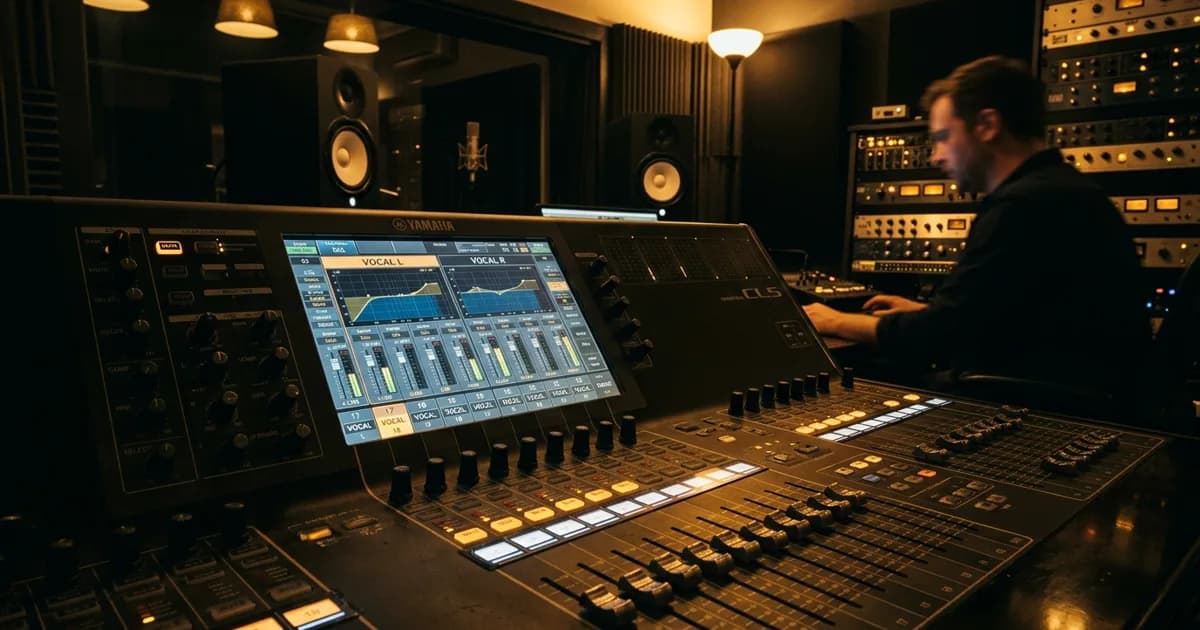
Listen to almost any modern pop, rock, hip-hop, or R&B hit, and the chorus vocals sound immense - wide, thick, and commanding attention above loud drums and synthesizers.
The secret behind that size is vocal doubling (or double tracking): recording two or more separate takes of the same vocal line and layering them together in the mix.
When done correctly, vocal doubling adds harmonic depth, smooths out tiny pitch inconsistencies, and creates stereo width that simple EQ or reverb can never match. When done poorly, however, doubling introduces phase cancellation, flanging, and muddy diction.
Here is how to track, edit, and mix double vocals like a professional producer, plus how to use modern vocal transformation to build rich, multi-voice vocal stacks.
Natural double tracking vs. artificial doubling plugins
There are two primary ways to create a doubled vocal:
- Natural Double Tracking (True Double): The vocalist sings the same part a second time on a new track. Because no human can sing with 100% microsecond timing accuracy or identical pitch, the micro-variations between the two takes create natural acoustic chorus and psychoacoustic width.
- Artificial Doubling (ADT / Plugins): A single vocal take is duplicated, delayed by 10 to 30 milliseconds, and pitch-modulated slightly with an LFO.
While artificial doublers are convenient during fast tracking, they have a serious flaw: duplicating the exact same audio file frequently causes comb filtering - a hollow, nasal phase cancellation that weakens the vocal's low-end punch when collapsed to mono.
True double takes, by contrast, carry completely unique harmonic profiles and breath envelopes, delivering massive width without destructive phase cancellation.
The production with a single central vocal treatment.
The same production section with the supporting doubles added.
The Mixing Rule: A lead vocal should feel centered and intimate; a vocal double should feel wide and supportive. Never make your double compete with the lead for center-stage clarity.
4 golden rules for tracking tight vocal doubles
If you want your doubled vocals to sound cohesive rather than like two strangers singing over each other, follow these recording rules:
1. Match consonant timing to the lead take
Consonants like "s", "t", "k", and "p" contain sharp transient spikes. If the double vocal pronounces the word "stop" twenty milliseconds after the lead, the listener will hear an annoying stuttering double-attack.
Coach the singer to match the lead take's consonants tightly, or manually edit the transients in your DAW so the consonants hit at the exact same millisecond. Many producers even instruct singers to soften or mute hard consonants on the double take altogether, focusing solely on the vowel resonance.
2. Sing with matching energy and dynamic contour
A double vocal should match the emotional attack of the primary performance. If the lead is an aggressive belting hook, a half-hearted, whispering double will make the overall chorus sound loose and indecisive. Read our scratch vocals guide for tips on maintaining consistent performance energy across takes.
3. Keep the double completely dry
Never record or print reverb on your double tracks. Adding separate room reflections to doubled tracks creates a washed-out wall of mud in the stereo field. Keep both takes dry, and send them to a shared vocal reverb bus in your mix session.
4. Apply gentle pitch correction
While micro-pitch variations create width, large pitch clashes sound sloppy. Run subtle pitch correction over both takes to lock them to the key of the song while leaving natural vibrato intact. Our guide on vocal pitch correction outlines the balance between transparent correction and hard tuning.
Panning and mixing vocal doubles
How you place doubles in the stereo field depends on the genre and arrangement:
| Doubling Style | Panning Configuration | Best Used For |
|---|---|---|
| Center Reinforcement | Lead: Center (0 dB) Double: Center (-6 to -10 dB) | Intimate acoustic, indie, or hip-hop verses where a subtle thickness is needed without obvious width. |
| Wide Stereo Pair | Lead: Center Double 1: 80% Left (-3 dB) Double 2: 80% Right (-3 dB) | Massive pop and rock choruses that need to explode outward from the speakers. |
| Three-Part Wall | Lead: Center Double 1: Center (different voice) Doubles 2 & 3: Hard Left / Hard Right | Heavy modern electronic, hyperpop, or anthemic stadium hooks. |
Layering with AI singer models for complementary timbre
One of the most powerful modern production techniques is using singing voice conversion to create complementary vocal doubles from a single guide performance.
Instead of layering three takes of your own voice - which stacks the exact same vocal formants and nasal frequencies - you can:
- Take your original lead guide track.
- Transform one copy through a warm, darker singer model.
- Transform a second copy through an airy, bright female singer model.
- Pan the transformed models hard left and right under your central lead.
Because each model has a distinct timbre, the resulting layers can sound more varied than copies of one voice. Blend and pan them beneath the lead to create stereo spread while managing any frequency buildup in the mix.
These isolated files reveal what each supporting layer contributes before the stack reaches the mix:
The untreated lead used as the center reference.
The isolated supporting layer used on the left side.
The isolated supporting layer used on the right side.
An additional octave color that can be blended beneath the lead.
Conclusion
Vocal doubling is one of the most reliable ways to elevate a flat vocal recording into a dynamic, radio-ready chorus. Focus on tight consonant alignment, dry acoustics, and thoughtful stereo placement to build vocal stacks that command attention in any mix.