

Demo Vocals: How Songwriters and Producers Cut Pro Demos Without Hiring Session Singers
Learn how to record compelling song demos, produce pitch-ready guide vocals, and use vocal transformation to audition diverse vocalists across genres.
By Vocalist.ai Editorial Team · June 25, 2026 · 4 min read
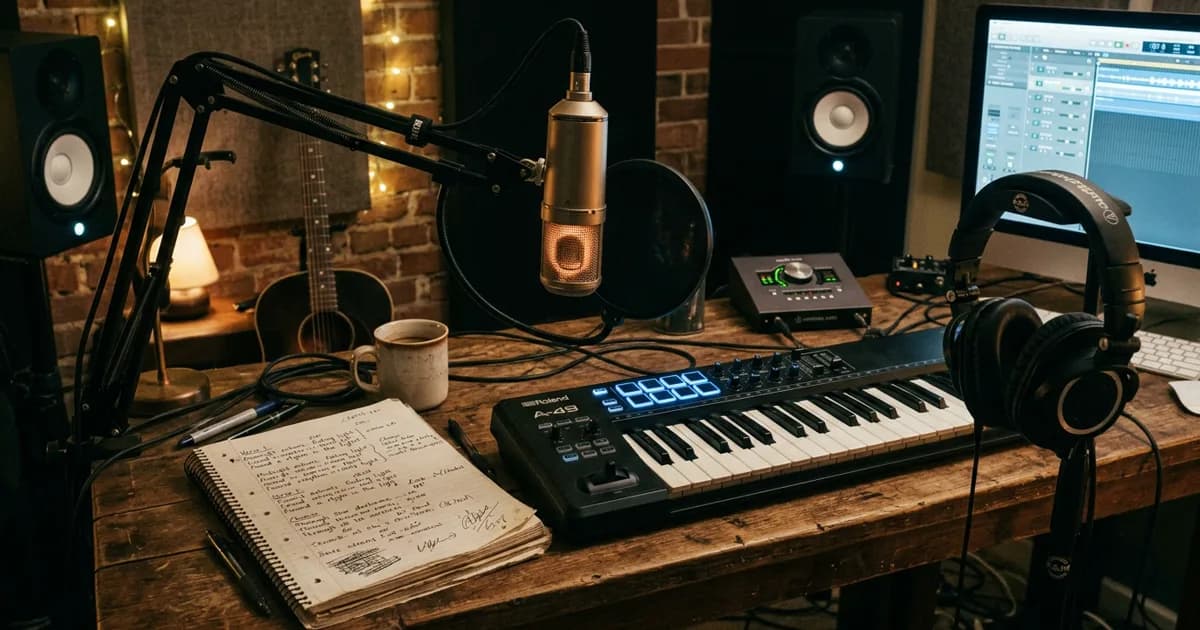
For songwriters, topliners, and music producers, creating a song demo used to mean facing an expensive dilemma: hire a professional session singer for hundreds of dollars per song, or pitch a rough demo sung by yourself - even if your vocal range, gender, or timbre did not match the target artist or genre.
In modern music publishing, sync licensing, and artist pitching, the quality of your demo vocal can make or break whether an A&R executive, publisher, or major artist ever listens past the first chorus.
Fortunately, modern vocal production workflows and ethical AI singing voice conversion have transformed how demos are made. Songwriters can now track a guide vocal in their home studio and immediately audition their song through world-class male, female, pop, rock, R&B, or country singer models.
Here is how to write, track, and produce professional song demos that command attention.
What industry listeners actually listen for in a song demo
When pitching songs to major record labels, sync agencies, or recording artists, listeners evaluate a demo through a specific lens:
- Topline clarity: Can they instantly memorize the chorus hook on a single listen?
- Lyric intelligibility: Are the words clear and emotionally resonant without needing to read along?
- Vibe and vocal fit: Does the vocal delivery match the stylistic expectations of the target genre (e.g., breathy pop intimacy vs. gritty soul belt)?
A listener should never have to "use their imagination" to figure out how a song is supposed to sound. If you pitch a high-energy female pop-anthem sung in a raspy male baritone, decision-makers will often pass simply because the vocal presentation obscured the song's commercial potential.
Raw songwriter guide take establishing melody and rhythm.
Re-voiced through a soulful studio singer model ready for pitching.
The Songwriter's Rule: A demo vocal does not need to sound like a finished, radio-mastered record, but it must convincingly convey the emotional identity of the intended artist.
4 steps to recording a pitch-ready demo vocal
Follow this streamlined studio workflow to produce demo vocals that sell the song:
1. Lock the vocal arrangement before tracking
Do not improvise lyrics or melodic rhythms during demo tracking passes. If a word feels awkward on the tongue or forces you to breathe unnaturally, rewrite the lyric before pressing record. Tight, rhythmic phrasing communicates confidence to the listener.
2. Track with full dynamic conviction
Deliver the guide vocal with the energy, vibrato, and emotional conviction you envision for the finished record. As detailed in our scratch vocals guide, voice conversion algorithms transform vocal timbre and formants, but they preserve your human phrasing and passion. Sing with real conviction.
3. Check key and vocal range
Before printing your final demo, make sure the melody sits in an optimal register for the target genre. Using Vocalist's Sweetspot Analyzer, you can verify whether your guide melody matches the natural sweet spot of your chosen singer model. If the song is too low or high, use input pitch shifting to adjust key by semitones.
4. Build a supporting vocal stack
A lead vocal alone can feel exposed. Add a tasteful vocal double in the chorus, or layer high and low octave harmonies to give your demo commercial punch. Read our guide on how to double vocals for tips on wide, radio-ready vocal stacks.
Pitching etiquette and ethical vocal modeling
When sharing demos featuring AI vocal transformation, professionalism and ethics matter:
- Never claim a celebrity sang your demo: Pitch the song on its melodic and lyrical strength. Represent your demo as a songwriter presentation featuring studio models, not unauthorized celebrity impersonation.
- Use Fairly Trained certified platforms: Ensure the models you use are trained on contracted singers who receive revenue share. Vocalist's models are Fairly Trained certified.
- Verify commercial distribution terms: If your demo gets released directly on streaming platforms, verify that your platform grants royalty-free commercial distribution rights. Read Vocalist's royalty-free commercial rights policy for complete clarity.
Summary
Great songs deserve to be heard at their best. By tracking clean, expressive guide vocals and pairing them with genre-appropriate singer models, songwriters and producers can pitch demos with complete confidence and speed up their creative pipeline.