

AI Vocals in Music Production: Workflows, Ethics, and Commercial Rights
Discover how producers use AI vocals in commercial music. Explore singing voice conversion, vocal stems, ethical Fairly Trained certification, and copyright rules.
By Vocalist.ai Editorial Team · August 13, 2026 · 5 min read
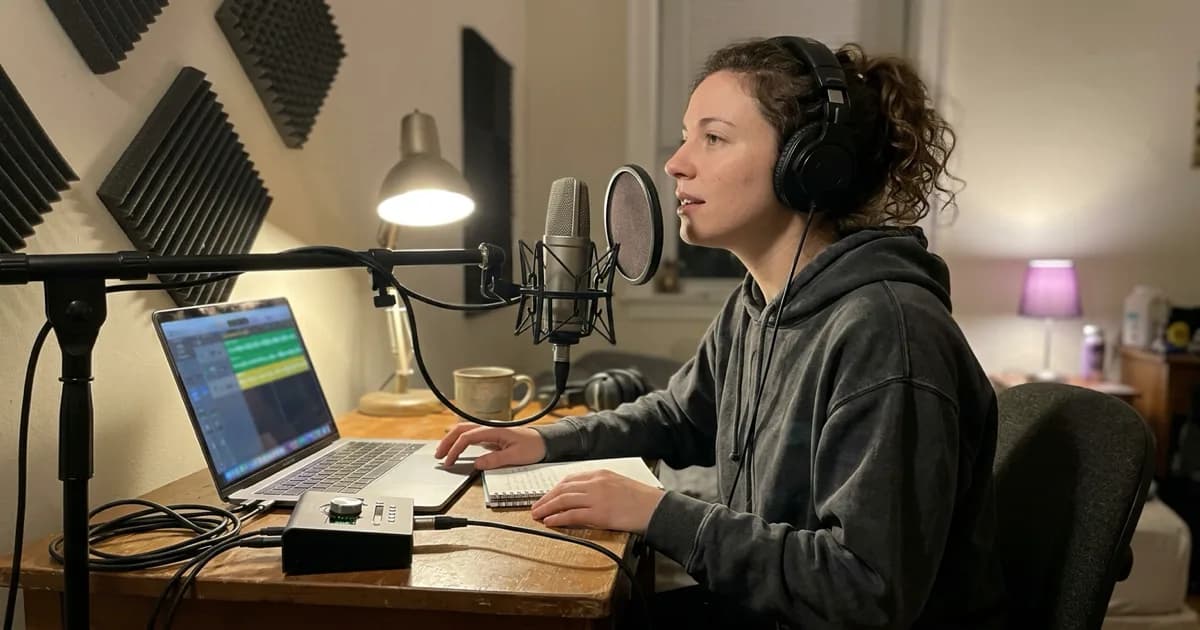
Artificial intelligence has rapidly entered every stage of modern music production, from drum synthesis and stem separation to automated mastering. But no application of AI has sparked more creative excitement - and more industry debate - than AI vocals.
For decades, vocal production was the single biggest bottleneck for independent producers and songwriters. If you could not sing well yourself or afford hundreds of dollars per song to hire professional session vocalists, your productions remained limited to instrumental beats or compromise vocal takes.
Today, AI vocal transformation tools allow creators to convert their own guide performances into release-ready lead vocals, harmonized backing stacks, and diverse vocal characters.
However, incorporating AI vocals into professional music production requires understanding the real technology behind it, respecting artist consent, and navigating commercial copyright laws.
Here is an authoritative guide to using AI vocals effectively, ethically, and legally in modern music.
What AI vocals actually are (and what they are not)
There is widespread confusion about what "AI vocals" means in music tech:
- What they are NOT: Vocalist and professional singing voice tools are not text-to-music generators that spit out complete songs from a typed prompt. Nor are they real-time voice changers intended for gaming chat.
- What they ARE: Modern professional vocal AI is singing voice conversion (SVC). It is an acoustic transformation layer: a human musician performs the vocal (providing melody, timing, lyrics, breathing, and emotional inflection), and a neural network transforms the vocal timbre and formant structure through the acoustic profile of a trained singer model.
In academic research - such as Yamaha's TransVox research reports - this relationship is fundamental: AI voice conversion does not replace human musicality; it acts as a virtual instrument that translates human performance into new vocal timbres.
The Core Insight: AI vocals do not eliminate the singer - they give the producer an expansive palette of studio singers driven by human performance.
4 high-value ways producers use AI vocals today
Professional producers are integrating vocal transformation into four distinct production stages:
1. Polished songwriting and publisher demos
Songwriters can track a rough guide vocal in their home bedroom and audition the song through different male or female voices. This allows writers to pitch songs across multiple genres without booking outside singers. Read our demo vocals guide for pitching best practices.
2. Full commercial releases
Independent artists and producers are releasing original music featuring AI singer models directly to streaming services like Spotify and Apple Music, generating streaming royalties and sync licensing placements.
3. Layered backing vocals and choir stacks
Instead of stacking ten layers of the exact same singer - which creates frequency clumping in the mix - producers transform copies of their guide track through three or four distinct singer models. Panning these models across the stereo field creates wide, lush vocal stacks. Read our guide on how to double vocals for stereo stacking workflows.
4. Cross-gender vocal transformation
Male producers can write and track hooks intended for female pop artists, transpose the audio using the Sweetspot Analyzer, and render authentic female vocals in minutes. Read our tutorial on male to female vocal transformation.
The ethical standard: Fairly Trained certification and consent
The explosion of AI in creative industries has raised urgent ethical and legal questions. Unauthorized voice cloning - scraping audio from famous artists without their permission or compensation - creates severe legal risks, DMCA takedown notices, and reputational damage.
Professional music production requires strict ethical provenance:
- Contracted artist sessions: Singer models must be recorded in dedicated studio environments with explicit consent.
- Revenue sharing: The underlying human singers must be fairly compensated with royalties or revenue share for their vocal likeness.
- Fairly Trained certification: Vocalist.ai is Fairly Trained certified, an independent certification verifying that training data does not infringe on copyrighted sound recordings.
Copyright and streaming distribution: What rights do you own?
The United States Copyright Office distinguishes human-authored expression from material generated entirely by AI. Singing voice conversion begins with a human performance, but copyright ownership still depends on who wrote and performed the material and what rights they hold. Platform usage rights are a separate question from copyright ownership.
When distributing music featuring Vocalist:
- You retain whatever rights you already hold in your underlying song composition, lyrics, and input performance.
- You receive royalty-free commercial distribution rights to release the transformed audio on Spotify, Apple Music, YouTube, and commercial sync projects.
- You must not use the real-world legal names of the participating models as featured artist credits without explicit approval.
Conclusion
AI vocals are not a shortcut to replace human creativity. They are a powerful new production instrument that expands what independent musicians and producers can achieve. By recording expressive guide performances and choosing ethically certified voice models, you can produce release-ready vocal tracks in any genre.